


Miniatures & Curious Collections Museum, Roswell
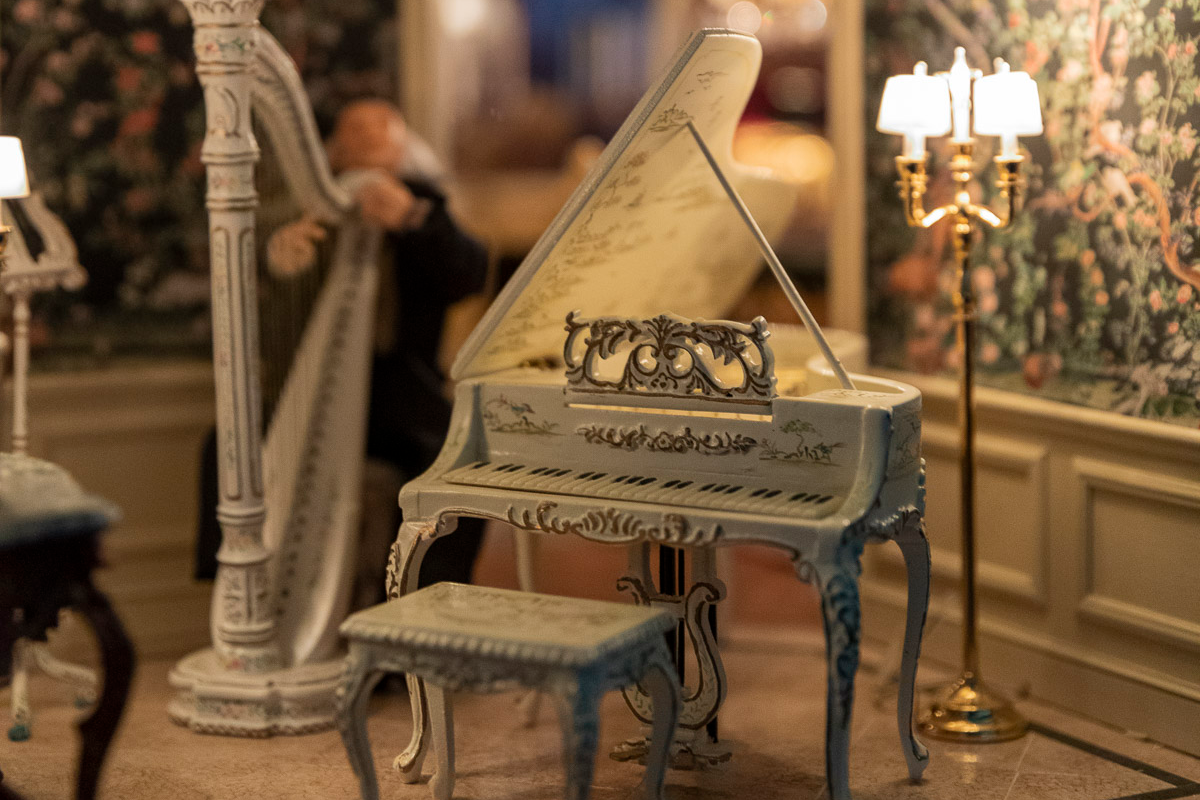
Co-founders Elaine Howe and Nancy Fleming already feature at least 30 makers of miniature dwellings and oddities in Roswell’s Miniatures & Curious Collections Museum. But a recent trip to Beverly Hills nabbed them an “absolutely stunning” mini-model of a French chateau by Ken Simon. In curious collections news, the museum’s Christmas show, dubbed Cats ’N’ Dogs Christmas, features vintage holiday items themed around pets. “Miniatures go back to the love of play,” says Fleming, “that love of the freedom to play as an adult.”
Trinitite, Albuquerque
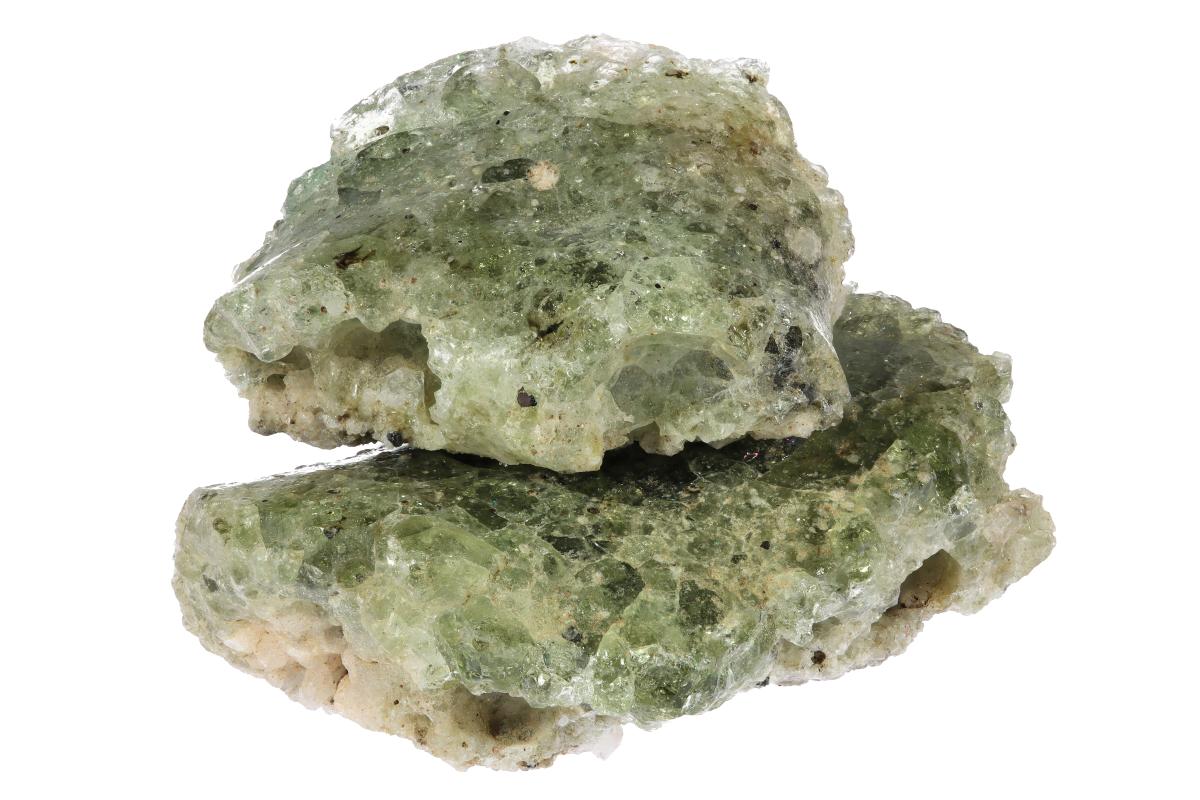
When the first atomic bomb was tested at White Sands Missile Range in 1945, surrounding sands were sucked into the flames. That atomic sludge dried out to trinitite, an eerie-looking grayish-green glass that James Stemm, director of collections at the National Museum of Nuclear Science & History, in Albuquerque, calls the “main artifact” from the Trinity Site. Similar to pumice, trinitite is rarer, slightly radioactive, and more expensive. In a state with a rich geological history, the trinitite displayed at the museum gives visitors an opportunity to reflect on how actions taken on New Mexican soil decades ago still shape the world as we know it today.
Red Chimney Pit BBQ, Carlsbad
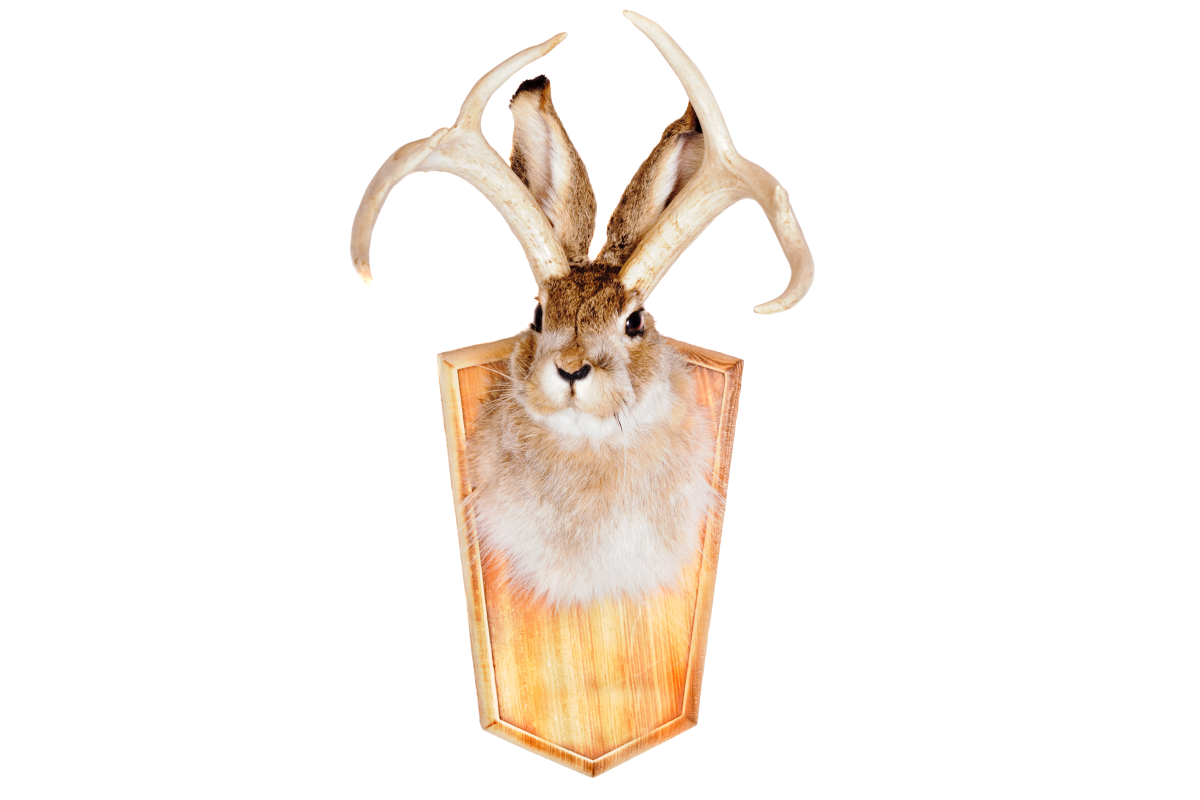
In 1994, Jill Torres’s grandfather Danny Fowler was in the middle of a high-stakes billiards game. His opponent retrieved a wooden crate from his car and wagered its contents. Fowler won the pot, and when he popped the crate, he stared straight into the eyes of the mythical horned rabbit. “The jackalope is like the desert version of Bigfoot,” says Torres, co-owner of Red Chimney Pit BBQ, which her grandfather founded in 1954. Today, the jackalope, dubbed Bret, is displayed on the walls of the Carlsbad restaurant, where the weird taxidermy watches over dishes of smoked meats, hand-ground burgers, and pecan pie baked with nuts from a local orchard.
Bracewell Radio Sundial, Very Large Array
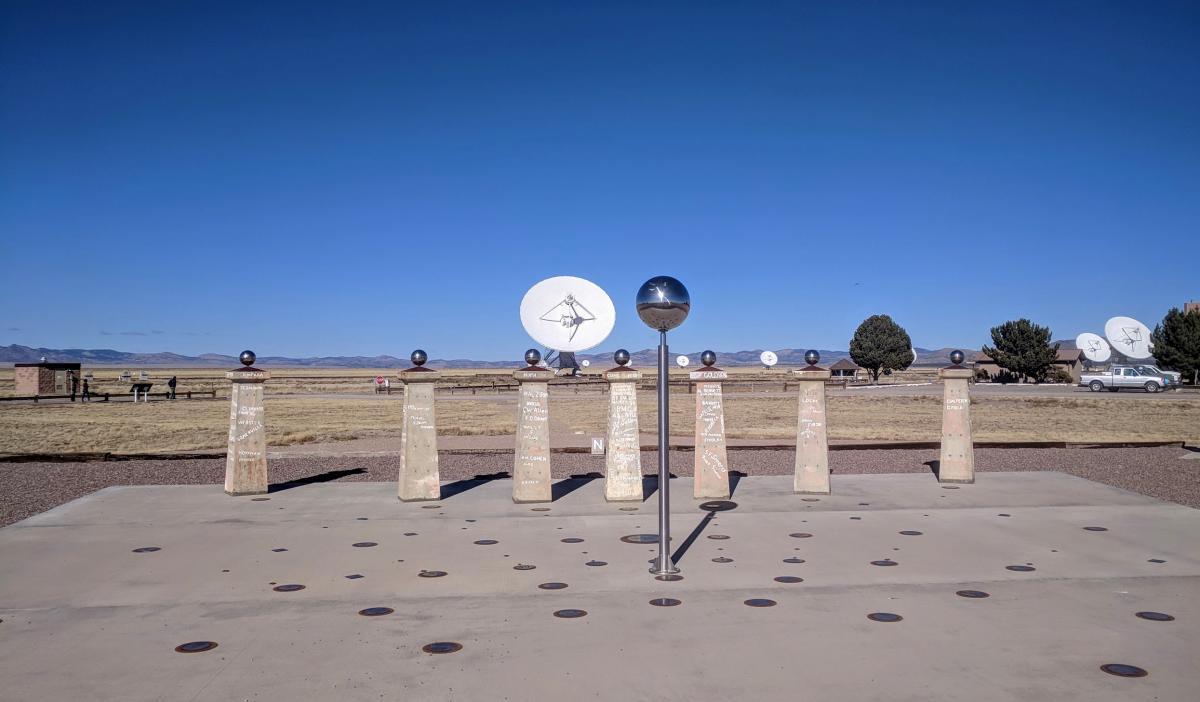
For all intents and purposes, the Bracewell Radio Sundial near Magdalena functions like a clock. Ten metal piers, rescued from Australian engineer Ron Bracewell’s radio telescope at Stanford University, sit in the middle of a concrete slab and display the time of day based on how their shadows fall below. But the sundial also connects Very Large Array visitors to the skies in a way that doesn’t require a degree in astronomy to understand. “New Mexico is famous for its mysteries in the dark skies of the desert,” says Corrina Feldman, spokesperson for the National Radio Astronomy Observatory. “The sundial only adds more emphasis.”
The Three Brujas, Taos
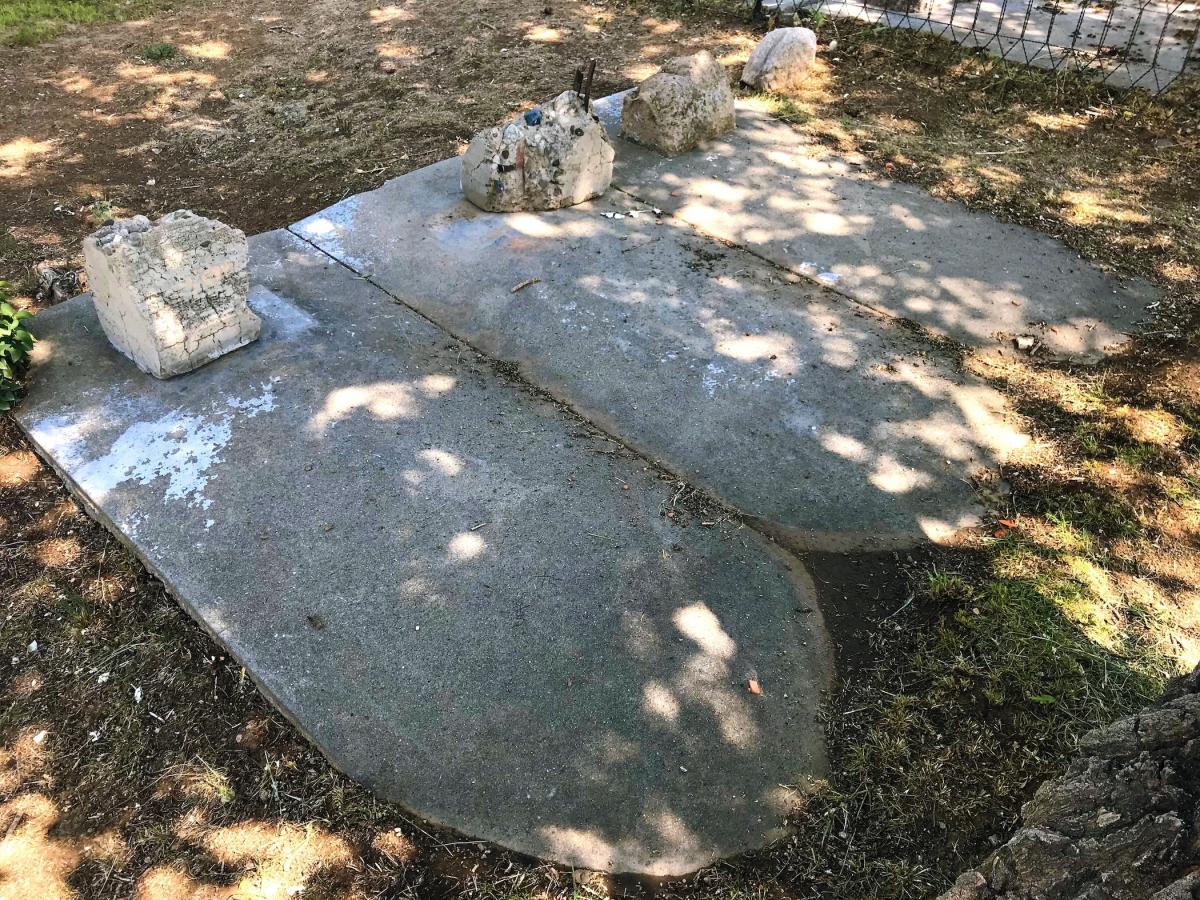
While Salem is famed for its witch trials, New Mexico had its own tensions between the local church and mystical practices in the late 1700s. The Three Brujas of Taos were women so feared that their bodies were buried under concrete to keep their spirits sealed for eternity. To this day, their graves remain unmarked at Kit Carson Cemetery, in Red Willow Park, and no one knows for certain why these women were deemed to be witches by some.
Pancho Villa’s Death Mask, Santa Fe
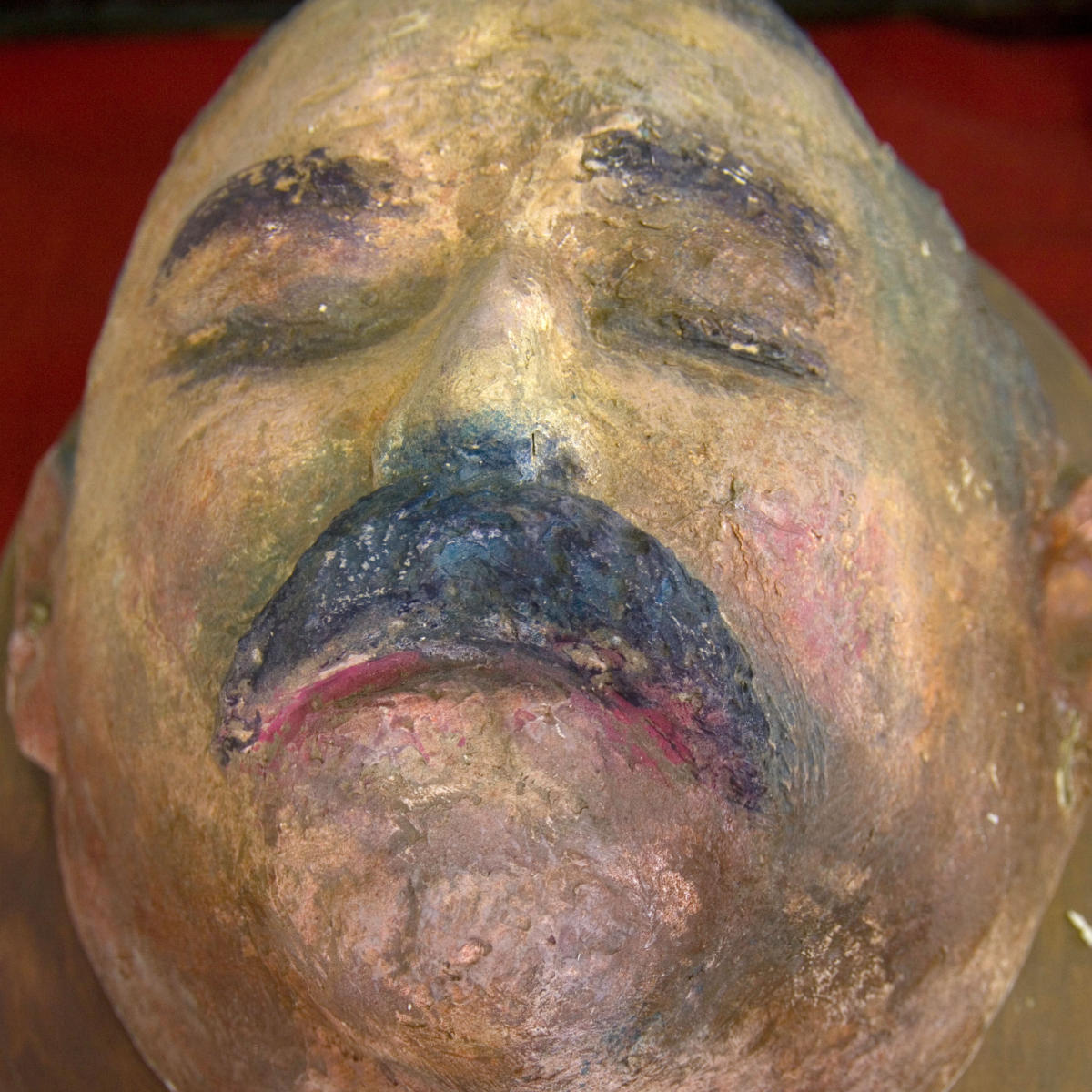
Mexican revolutionary Francisco “Pancho” Villa has been revered by some and despised by others. But his 1916 predawn raid in Columbus, just across the U.S.–Mexico border, which left 10 townspeople and eight American soldiers dead, won’t easily be forgotten. “It was the first attack on American soil since 1812,” says Mark Dodge, a curator at the New Mexico History Museum, in Santa Fe. Legend holds that an embalmer took a plaster cast of Villa after he was assassinated in 1923. In the 1970s, the plaster was recast with bronze. Today, the state holds a single death mask in its collections, and that face belongs to Villa (a replica, shown above, exists at Columbus Historical Society Depot Museum). The strange mask evokes the complicated and fascinating relationship between new and old Mexico.