


 SMOKEY BEAR HISTORICAL PARK
Capitán
In the mountain village where a rescued cub became a national icon, this small but poignant museum traces Smokey Bear’s journey from the 1950 Capitán Gap Fire to becoming the face of one of the world’s most recognizable public service campaigns. “Smokey’s message is still absolutely relevant,” says park manager Mary Lavin. “People are wondering why fires are becoming more severe and dangerous, and Smokey helps connect them to what we can do to care for our forests.” Historic films, memorabilia, and artifacts explore wildfire prevention and conservation, while the grounds include botanical gardens and the state’s memorial to fallen wildland firefighters. Don’t miss: Smokey Bear’s peaceful grave site in the park’s garden.
 INTERNATIONAL UFO MUSEUM AND RESEARCH CENTER
Roswell
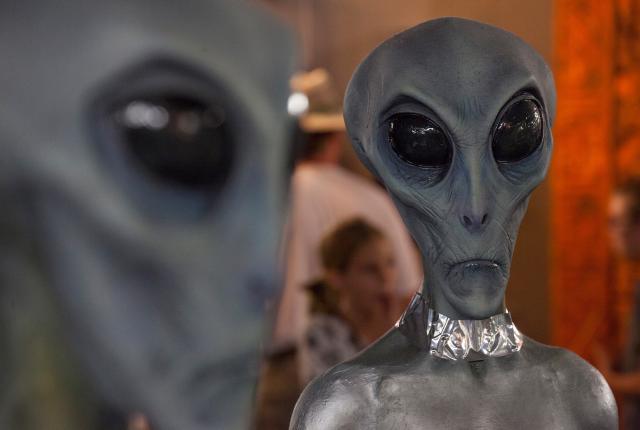
Few places lean into mystery like this museum and research center devoted to the 1947 Roswell Incident. More than 200,000 visitors each year peruse collections of documents, eyewitness accounts, and pop-culture ephemera tied to one of the most enduring extraterrestrial debates. Dioramas depicting the alleged crash site and an alien autopsy, plus an interactive spaceship exhibit and displays exploring other UFO sightings, leave skeptics and believers alike wondering what’s out there. Don’t miss: A detailed timeline of the Roswell Incident that pieces together decades of reports, sightings, and theories.
 NATIONAL SCOUTING MUSEUM
Cimarrón
Located on the former ranch of oil baron Waite Phillips, the National Scouting Museum preserves more than 600,000 artifacts tracing the history of Scouting America, formerly known as the Boy Scouts of America. Opened in 2018 at Philmont Scout Ranch, the museum sits within the sprawling base camp where tens of thousands of Scouts begin wilderness adventures each year. Five galleries explore outdoor skills, conservation, Native history, and leadership through vintage camping gear, uniforms, badges, and memorabilia. Visitors can also see the library, artwork, and Native pottery collection of Ernest Thompson Seton, a founder of the Boy Scouts. Don’t miss: Original scouting uniforms from 1910, adorned with the first BSA pins and high-crown campaign hats.
 ANDERSON ABRUZZO INTERNATIONAL BALLOON MUSEUM
Albuquerque
The 60,000-square-foot museum at Balloon Fiesta Park explores the science, spectacle, and people behind Albuquerque’s world-famous ballooning culture. “You can’t balloon alone,” says museum manager Nan Masland. “It requires a whole community.” Permanent exhibits trace the history of flight, from early experiments to modern-day mass ascensions; explore the city’s unique box-wind flight patterns; and provide interactive fun, such as the kid-friendly “chase crew” simulator. Work is underway on a new $2.7 million outdoor exhibit with a skybridge, balloon sculptures, and play areas. Don’t miss: Balloons Over Route 66, an exhibit honoring the Mother Road’s centennial, now through the 2026 Albuquerque International Balloon Fiesta.
 ANDERSON MUSEUM OF CONTEMPORARY ART
Roswell
Housed in a 22,000-square-foot building that resembles an Old West storefront, the Anderson Museum of Contemporary Art offers a snapshot of contemporary art in the state over several decades. Opened in 1994, the museum is dedicated to artists who participated in the pioneering Roswell Artist-in-Residence Program, founded in 1967. “Artists come from around the world for the beauty and serenity of the landscape,” says director Tonee Harbert. More than 500 strikingly juxtaposed works—from paintings to photographs to sculptures—fill 12 galleries, reflecting decades of artistic experimentation. Don’t miss: The five-foot-diameter Cottonwood Sphere (2011), made from smoothed branches by RAiR alumna Rebecca Davis and collaborator Roger Asay, is “hard to believe,” Harbert says.
 CHIRICAHUA DESERT MUSEUM
Rodeo
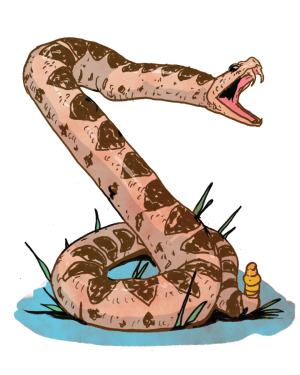
Part science center, part roadside curiosity, this remote museum captures the wild spirit of New Mexico’s bootheel. “The Sonoran and Chiricahua deserts converge here, along with mountains and woodlands, which makes us unique,” says manager Michelle Simpler. Exhibits spotlight the region’s remarkable biodiversity through live reptiles, native plants, minerals, Western art, and artifacts ranging from 19th-century snake-oil bottles to Apache leader Geronimo’s bow and arrow. “We’ve got one of largest and rarest collections of live rattlesnakes, as well as the largest herpetological library in the world,” Simpler says. Don’t miss: The 18-foot-tall western-diamondback-tail sculpture coiling outside.
 GADSDEN MUSEUM
Mesilla
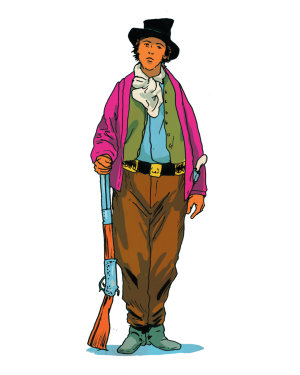
Owner-operator Keith Bird is the sixth generation of his family to live in the museum’s 1861 Territorial Style home near Mesilla Plaza, which he describes as “a living record of our ancestors here in the Mesilla Valley.” The appointment-only museum preserves artifacts tied to frontier history, prominent local families, and Mesilla’s Wild West past. Highlights include a 36-star Civil War flag and an oil painting of the Gadsden Purchase ceremony created by Bird’s great-great-grandfather Albert Jennings Fountain Jr. “Being the caretaker of such an incredible repository is an honor,” Bird says. Don’t miss: The original jail cell doors that held Billy the Kid during his 1881 murder trial in Mesilla.
 TINKERTOWN MUSEUM
Tijeras
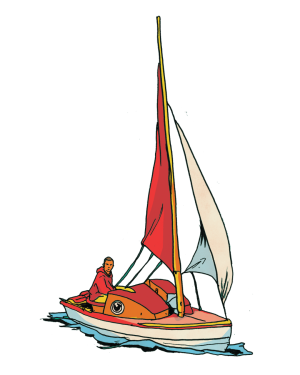
A folk-art wonderland meets roadside fever dream, Tinkertown packs decades of artist Ross Ward’s imagination into a maze of hand-carved dioramas, animated miniature displays, and collections tucked into bottle-glass walls. Ward spent more than 40 years building the quirky museum in the Sandía Mountains, carving thousands of tiny figures by hand and transforming salvaged materials into elaborate storytelling scenes. In addition to the moving carnival displays and Old West tableaux, visitors can also see a 35-foot sailboat that circumnavigated the world. Don’t miss: The intricate miniature circus, complete with dozens of hand-carved performers and spectators.