


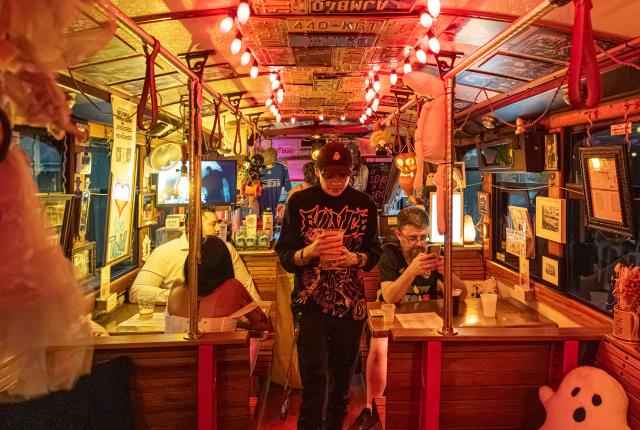
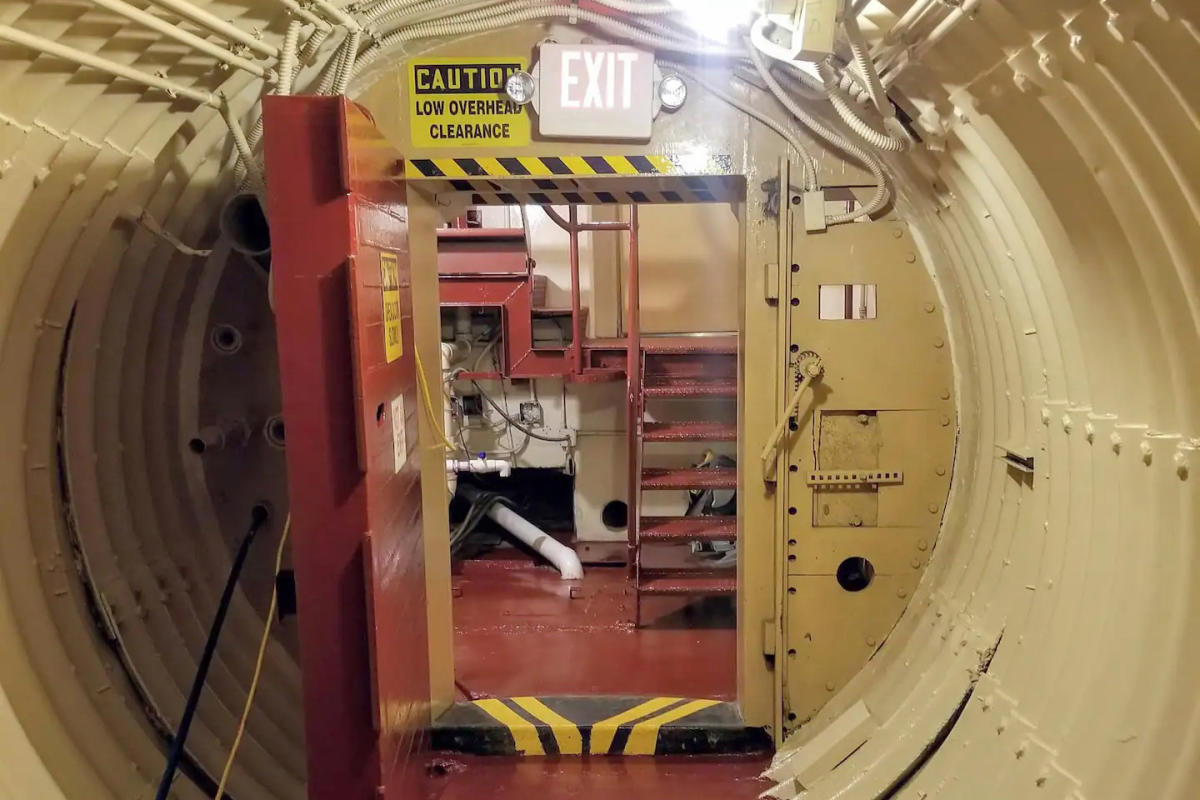
Atlas F Missile Silo
Roswell
Gary Baker played in these abandoned silos as a kid in the 1970s, when the government wasn’t talking. “You could not go to Roswell and get a paragraph about these places at the library,” he says. “Even at my military school, you couldn’t get a page.” The silos were operational from 1961–1965 but never used. Thirty years ago, Baker bought two for $55,000 apiece; each once held an 82-foot intercontinental ballistic missile, and one site was referenced in President John F. Kennedy’s remarks during the Cuban Missile Crisis. “When these sites were built 65 years ago, they were called one of the greatest engineering feats in the state of New Mexico’s history,” Baker says. After nearly $400,000 in renovations to the silos, Airbnb guests now sleep 40 feet underground in the former launch control center surrounded by period memorabilia, Cold War books, and original photographs, with a tour descending 180 feet into the silo itself included.
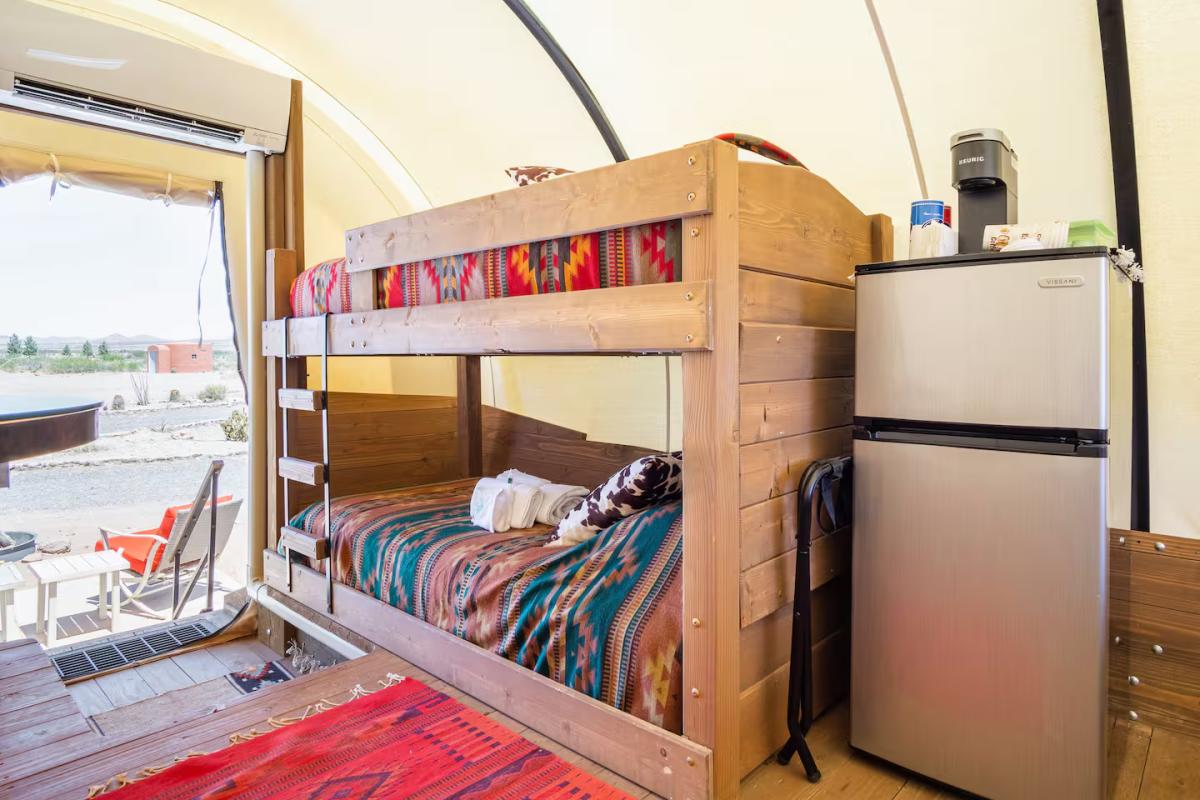
Conestoga Wagon
Rodeo
Rodeo has a population of less than 50 people, no gas station, and spotty cell service on a good day. So throwing it back to simpler times made sense when Bob and Sheri Ashley spotted a custom-built Conestoga wagon on display in Tucson. They bought it on the spot for their 200-acre property outside the Chiricahua Desert Museum near the Peloncillo Mountains and outfitted it for full glamping comfort. Inside: a king bed and a bunk sleep four, along with heat and air-conditioning, access to a private bath house, plus a covered dining area, grill, and firepit. Bob has photographed reptiles out here since the early 1980s, and the desert delivers: horned toad lizards, Mohave rattlesnakes, and Gila monsters, plus the colorful elegant trogon, which draws birders from around the world to nearby Cave Creek Canyon. But the night sky may be the main event. “People are blown away by the stars,” says manager Michelle Simpler. “I’ve had arguments about the Milky Way because guests have never seen it clearly.” When the coyote packs sing outside the canvas, she says, “It can raise the goose bumps.”
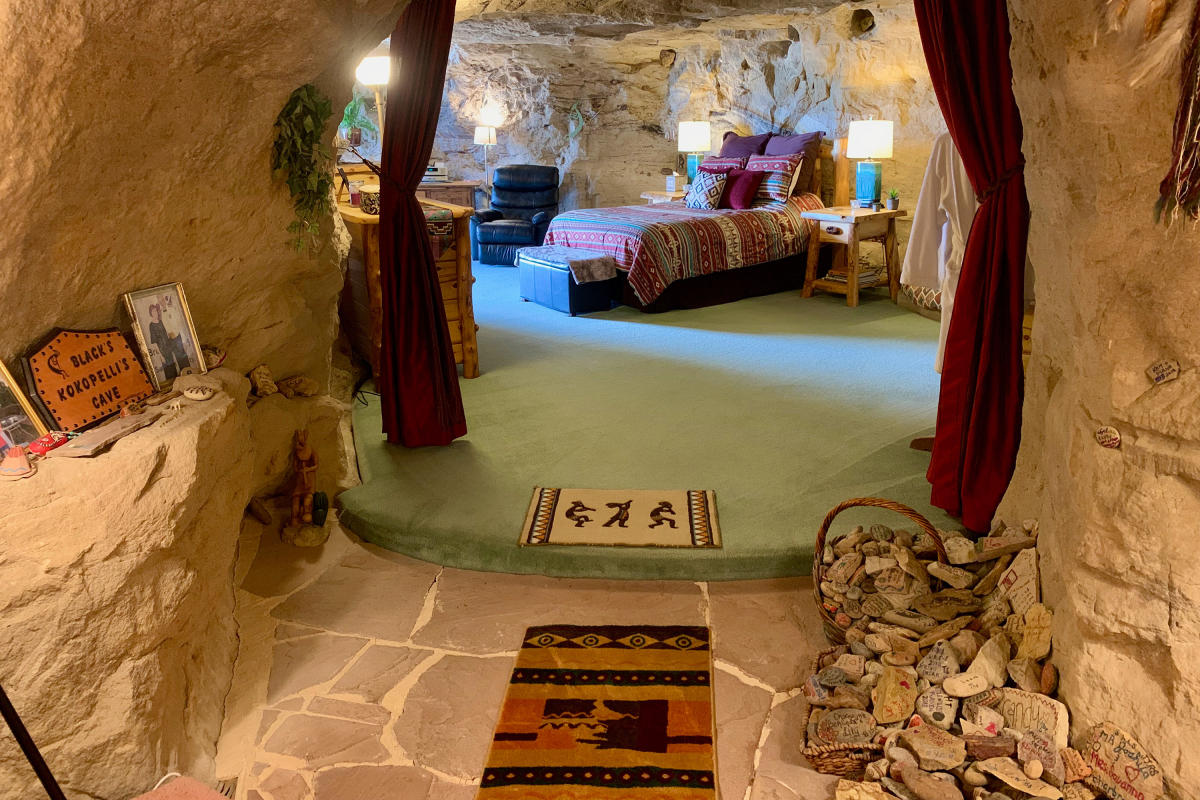
Kokopelli’s Cave Bed & Breakfast
Farmington
In 1982, geologist Bruce A. Black stopped into a Durango, Colorado, cafe after fishing and fell in with the Zinc brothers, local miners. After a few beers, Black offered $20,000 to dig a cave as big as they could in the cliffs above his Farmington property. “Dad envisioned the cave becoming his office,” says his son, Bruce H. Black. Two weeks of blasting later, the Zincs had carved 1,600 square feet into the sandstone. But the elder Black got busy with his career, and the office sat vacant, eventually sealed behind a quarter-inch steel plate. His son finished it in 1994, hauling appliances down the cliff by hand with buddies paid in beer. The interior features a kiva-themed sitting room and a stone hot tub with a waterfall shower. Temps hold at 65 to 68 degrees year-round, while 70 feet of solid rock swallows every sound. “Most folks say they sleep extremely well,” Black says. “They wish they’d booked another night.”